


For many construction businesses, becoming a preferred contractor to alarger builder, developer or project group represents a significantopportunity.
It can mean ongoing work, stronger relationships and access to projectsthat might otherwise be difficult to secure.
But here's the challenge.
The people making those decisions don't necessarily know you, your teamor the quality of your work.
And they're unlikely to take your word for it.
They need evidence.


Imagine you're a construction manager responsible for deliveringmultiple projects.
You already have contractors you know and trust. You understand how theyoperate, the standard of their work and how they respond when something doesn'tgo to plan.
Now another contractor approaches you, hoping to be considered forfuture projects.
Why would you take the risk of changing?
It's not just about demonstrating capability. It's about reducing theperceived risk of working with someone new.
The answer depends on the relationship you're pursuing, but severalareas consistently matter.
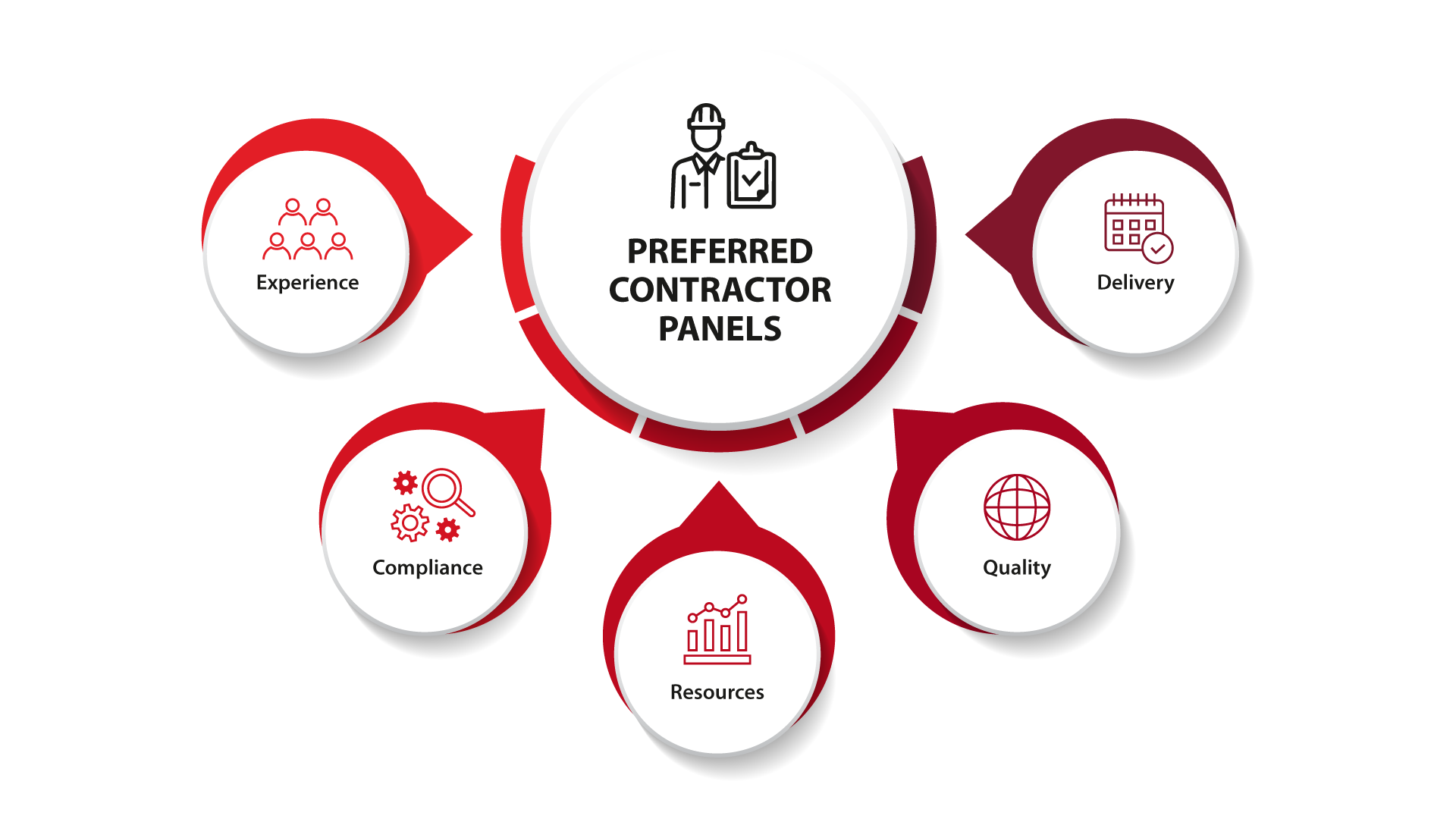
A contractor who can clearly demonstrate these qualities is far morereassuring than one who simply promises excellent service.
We recently worked with an established construction business looking tostrengthen its position with potential building partners.
The company had extensive experience delivering high-quality newresidential builds, alongside remedial, structural and property upgradeservices.
The challenge wasn't a lack of capability. It was making sure thestrongest part of the business was immediately understood.
We positioned the premium, end-to-end residential building capability asthe primary offering, with remedial, structural and upgrade services presentedas complementary specialist capabilities.
Why?
Because the primary service needed to stand confidently on its own,while the supporting services benefited from the credibility and qualityassociated with the core business.
We also highlighted tangible evidence: more than 25 years of experiencewithin the leadership team and over 400 new builds completed by the business.
Those figures communicate something meaningful without relying onexaggerated claims.
The result was a clearer proposition, developed specifically for theintended reader.
One of the biggest mistakes businesses make is assuming their experiencespeaks for itself.
It doesn't always.
A potential partner shouldn't have to search through a website orinterpret a long service list to understand whether you're suitable.
Your Capability Statement and supporting materials should answer theirquestions before they become objections.
And remember, you're not necessarily asking someone to hand over theirlargest project.
You may simply be asking for the opportunity to demonstrate yourcapability on a smaller job.
Deliver that successfully, establish trust and the relationship cangrow.
Of course, a strong presentation doesn't guarantee panel acceptance.Formal prequalification, commercial requirements and performance assessmentsstill matter.
But it can help you get noticed, taken seriously and considered.
The first opportunity isn't always the biggest contract. Sometimes it'ssimply getting someone to say, "Let's give them a chance."
And that's a very worthwhile place to start.
For more information andstrategy advice, contact article author and construction specialist, SusanJones, director of Living Lines branding agency on 0410 590 737.
Receive our quarterly news and branding best practice

42a Burnell Street,
Russell Lea, NSW 2046 Australia
Submit a quote request form and leave the rest to us.


